
Harbour vs Marina: Which Makes a Better Coastal Break?
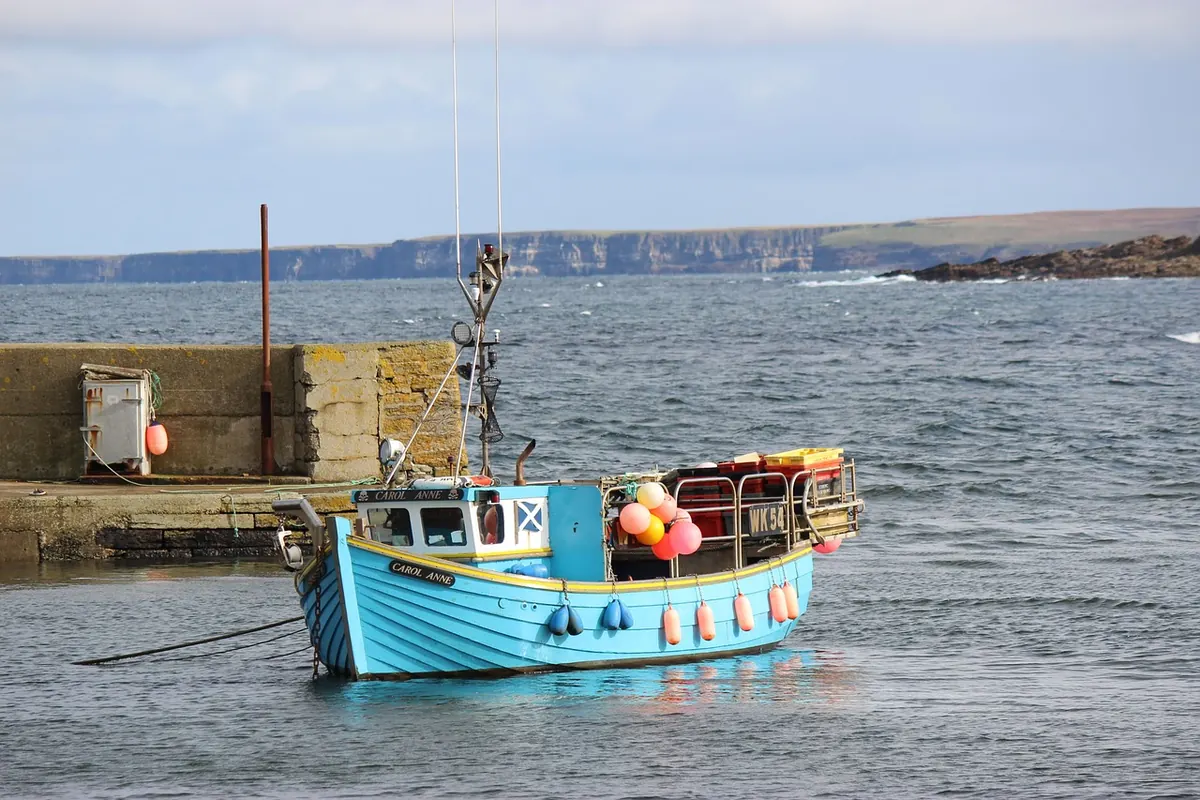
Two coastal towns, both with boats, both with a decent chippy, and yet the weeks they offer are quietly different. One has a lifeboat station, a fish market and the smell of diesel at half six in the morning. The other has pontoons, a laundry and a supermarket inside the gates. Neither is better in the abstract, but one will suit your break far more than the other. Here's how to work out which before you book.
Two Very Different Words
A harbour is simply sheltered water put to work. It might be landing crab, running a ferry, lifting boats for repair or loading timber, and it has been shaped by whatever the local economy needed rather than by what looks good on a postcard. Some working harbours are thriving; others are half-retired, with a few potting boats and a lot of seagulls.
A marina is a harbour built or adapted for leisure craft. Expect pontoons with finger berths, shore power, water points, showers, a coded gate and often a row of flats overlooking it all. The important distinction is purpose: one is a workplace you are welcome to visit, the other is a facility designed around visitors.
Plenty of places are both. Plymouth's Sutton Harbour, Falmouth, Dartmouth, Liverpool's Albert Dock and parts of Oban all mix commercial quays with visitor moorings a few hundred metres apart. If you genuinely cannot choose, a hybrid is the sensible answer.
Atmosphere: Diesel or Deck Shoes
Working harbours are louder, grubbier and more interesting. You will hear a winch before you see it, watch boxes of shellfish swung ashore, and find the best breakfast in town in a café with wipe-clean tables and no website. The architecture is honest: bollards worn smooth, stone quays, a chandlery that sells one of everything and knows exactly which one you need. Low tide can reveal mud, mooring chains and boats sitting on their keels, which is either fascinating or disappointing depending on your expectations.
Marinas are calm, tidy and predictable. Pontoons rise and fall with the tide, so the view stays neat, and there is usually a gated boardwalk with a bar on it. The trade-off is that marinas can feel interchangeable. Change the name on the sign and you could be anywhere from Cardiff Bay to Ipswich. They are excellent for a quiet evening and less good for a sense of place.
If you want to remember where you were, stay near a working harbour. If you want everything to work, stay at a marina.
Facilities: What Each One Actually Gives You
Worth checking before you book, because "harbour" and "marina" are used loosely in listings:
- Berthing: marina pontoons are walk-on and usually available to book; harbour walls and visitor buoys may dry out, so you need to know your keel and the tide times.
- Onshore comforts: marinas typically have showers, toilets, laundry, water and power. Working harbours often have a public tap, a slipway and a loo block, and not much else.
- Food and drink: marinas tend to have one or two on-site venues, sometimes chain-run. Harbours put you inside a town with a butcher, a bakery and three pubs competing.
- Family kit: marinas are easier with buggies and small children — flat walkways, railings, no vehicles. Harbours need more hand-holding near edges and moving machinery.
- Boat services: boatyards, lift-outs and engineers cluster around working harbours; marinas usually have a neighbouring yard or a list of contacts.
Access, Parking and Getting Around
Working harbours grew where the roads already were, which means narrow streets, awkward parking and a chandlery squeezed between two cottages. That is charming on foot and maddening with a roof box. Look for a park-and-ride, a station or a long-stay car park ten minutes' walk uphill. Towns like Whitby, Falmouth and Weymouth reward arriving by train.
Marinas are more often on the edge of a town, with a proper car park and a road built for trailers. Convenient, though you may find yourself driving to the high street rather than strolling to it. Check the walk: some marina developments are a pleasant ten minutes from town, others are a grim twenty along a dual carriageway with no pavement.
Matching the Place to the Trip
Families with young children
Choose the marina. Flat, fenced, predictable, with toilets nearby and a café you can retreat to when the weather turns. Add a working harbour as a half-day outing rather than a base.
Couples and long weekends
A working harbour usually wins. Better pubs, better food, more to look at from the window, and a proper sense of a place doing something. Book early in summer.
Boat owners and sailors
Decide by draft, tide and services rather than atmosphere. A cheap harbour berth that leaves you aground for six hours is no bargain if you wanted to sail at breakfast. Ask about visitor berths, electricity, fuel and whether the gate code gets you back in after midnight.
Dogs and walkers
Harbour towns tend to have the better coast path access and more dog-friendly pubs. Marinas often ban dogs from pontoons and sometimes from the waterfront bars.
Tide, Weather and Timing
In a working harbour, the tide dictates the day: when you can launch, when the ferry runs, when the harbour wall is a walkway and when it is a ladder. In a marina, the tide mostly dictates the view. If you are planning boat trips, kayaking, paddleboarding or a ferry crossing, note that exposed harbours lose days to swell and wind, while sheltered marinas keep going.
Shoulder-season trips are the quiet advantage of working harbours. In late September and October, the crowds thin, the fishing fleet is still working, and the pubs are full of people who live there. Marinas are quieter too, but they can feel simply shut.
Choose in Five Minutes: A Short Checklist
- Write down your three priorities for the break — say, food, walking and easy parking.
- Check a map: is the harbour or marina in the town centre or a mile out?
- Look for tide and access notes in the property listing. "Harbour views" can mean a mudflat at four in the afternoon.
- Phone or email and ask two blunt questions: what is within a ten-minute walk, and what happens at low water?
- Check noise. A working quay can be lively from dawn, and marina bars carry across water.
- Pick a hybrid if you want both, and book direct with the harbour office or marina for the best local advice.
Both make fine coastal breaks. Choose the working harbour when you want a place with a pulse, and the marina when you want everything to be easy. If the forecast is uncertain, easy usually wins.
Photo: richardpics / Pixabay